

Before and After a Tooth Extraction





Dentists generally try to preserve natural teeth, but extraction may be recommended when a tooth is severely damaged, infected, non-restorable, or creating another clinical problem. The reason, alternatives, and replacement options should be discussed before treatment whenever circumstances allow.
Evaluation comes first
The dentist reviews symptoms, health history, medicines, allergies, and relevant dental images. Tell the office about blood thinners, osteoporosis medicines, immune conditions, and previous complications. Do not stop a prescribed medicine unless the prescribing clinician directs you to do so.
During the procedure
Local anesthetic is commonly used to numb the area. The technique depends on tooth position, root shape, and surrounding bone. Sedation, when available and appropriate, is separate from numbing and requires its own instructions and transportation planning.
Aftercare protects the healing area
A blood clot forms in the socket and supports early healing. Follow the written instructions from the treating dentist. Avoid disturbing the site, and contact the office for bleeding that does not slow, increasing swelling, fever, difficulty swallowing or breathing, or pain that worsens instead of improving.
General online advice cannot replace procedure-specific instructions. Crown Point Smiles provides tooth extraction care and can explain whether a tooth may be restored or should be removed.
Plan for the space
When a permanent tooth is removed, ask whether replacement is recommended. A bridge, partial denture, or dental implant may be considered based on the location and health of the mouth.
Planning for comfort, function, and maintenance
The best replacement or treatment plan depends on the condition of the teeth, gums, bone, bite, medical history, and personal priorities. Cost and treatment time matter, but so do cleaning access, repairability, and the expected workload on nearby teeth.
Ask what will be temporary during healing, what daily cleaning will involve, and which changes should prompt a call. A clear maintenance plan is especially important for implants, dentures, bridges, and teeth next to an extraction site.
No option is maintenance-free. Regular examinations allow the team to check fit, bite, tissue health, supporting teeth, and bone changes before a small concern becomes harder to manage.
Questions worth asking
- What findings are most important in my case?
- What are the reasonable alternatives, including monitoring when appropriate?
- What should I expect during recovery or follow-up?
- Which symptoms should prompt me to call sooner?
What to bring to the appointment
Bring a current medication list, relevant health history, insurance information, and any records or images you have been asked to provide. Write down when symptoms started and what makes them better or worse. If you have priorities about timing, comfort, appearance, or budget, sharing them early helps the dental team explain options in a useful order.
Before agreeing to treatment, make sure you understand the diagnosis, the proposed goal, likely benefits and limitations, alternatives, and follow-up. If something remains unclear, ask for it to be explained in plain language. An informed plan should feel specific to your mouth and circumstances.
Putting the guidance into practice
Compare options over their full life cycle: preparation, healing, temporary solutions, final fit, home care, professional maintenance, and possible repair or replacement. A lower initial burden is not always the same as the best long-term fit for a patient’s goals.
A written sequence can make complex treatment easier to understand. Ask which steps are essential, which are optional, what could alter the timeline, and how the office will monitor the tissues and bite after treatment.
Before you decide
Make sure you understand the likely benefit, important limitations, expected timeline, and follow-up. Written instructions are useful when there are several steps. If symptoms or circumstances change, contact the dental office so the plan can be reassessed rather than assuming the original advice still applies.
Supporting the extraction site
Follow the office’s written instructions about gauze, food, brushing, activity, and prescribed or over-the-counter medicines. Avoid disturbing the area while the initial clot forms. If bleeding will not slow, pain worsens after initially improving, swelling spreads, or you develop fever or trouble swallowing, contact the office promptly.
Also ask whether the missing tooth will need replacement and when that discussion should occur. The answer depends on its location, neighboring teeth, bite, healing, and long-term goals.
Sources
- American Dental Association: Tooth Extractions
- National Institute of Dental and Craniofacial Research: Dry Socket
Meet the Author
Dr. Mustafa Saad
Dr. Saad provides general dentistry with interests in oral surgery and dental implants, taking a calm approach and explaining treatment clearly.
Meet Dr. SaadRelated Posts
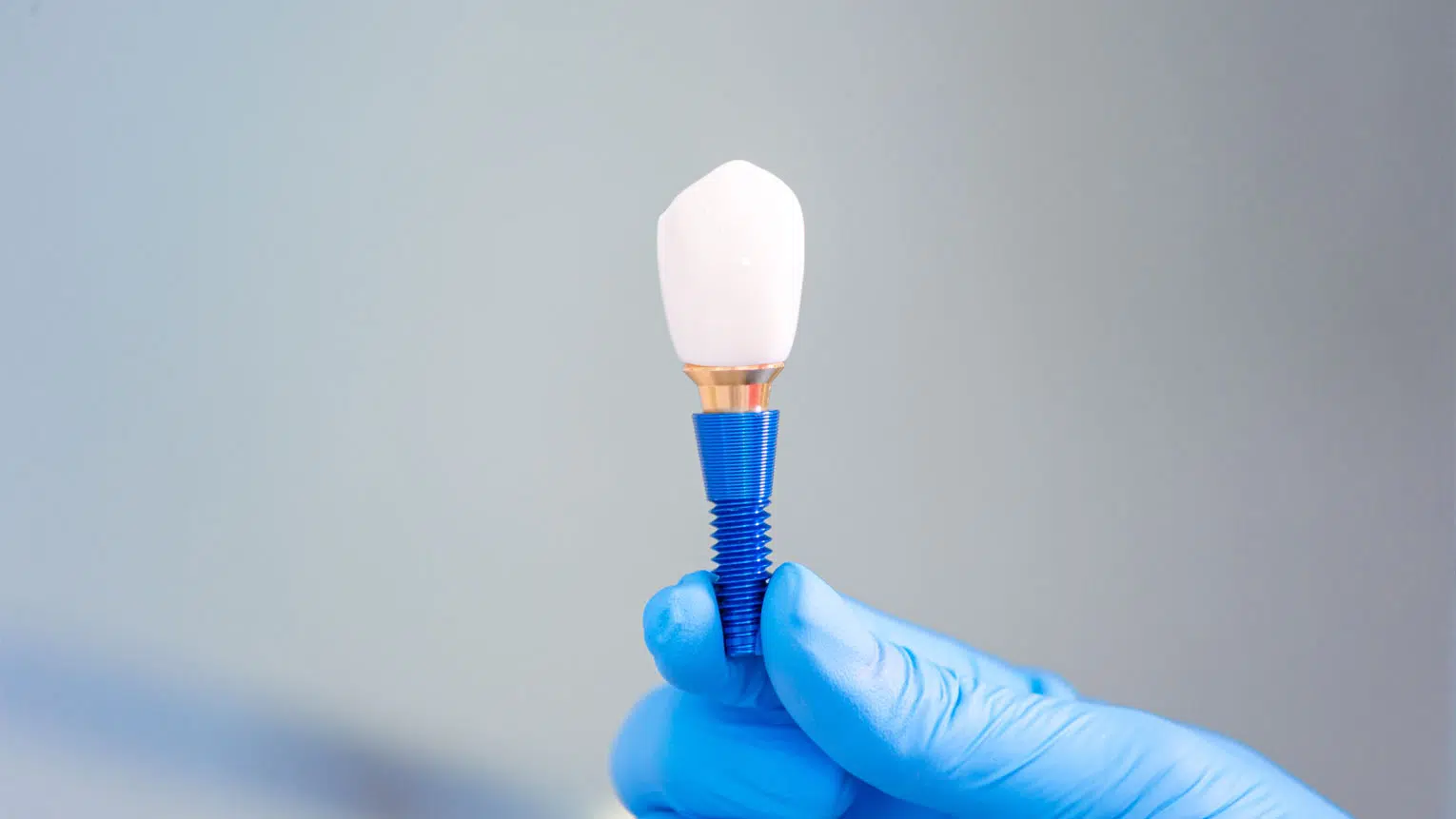
How to Care for Dental Implants
Dental implants still need daily care and professional monitoring. Learn how to protect the implant, gums, and restoration.
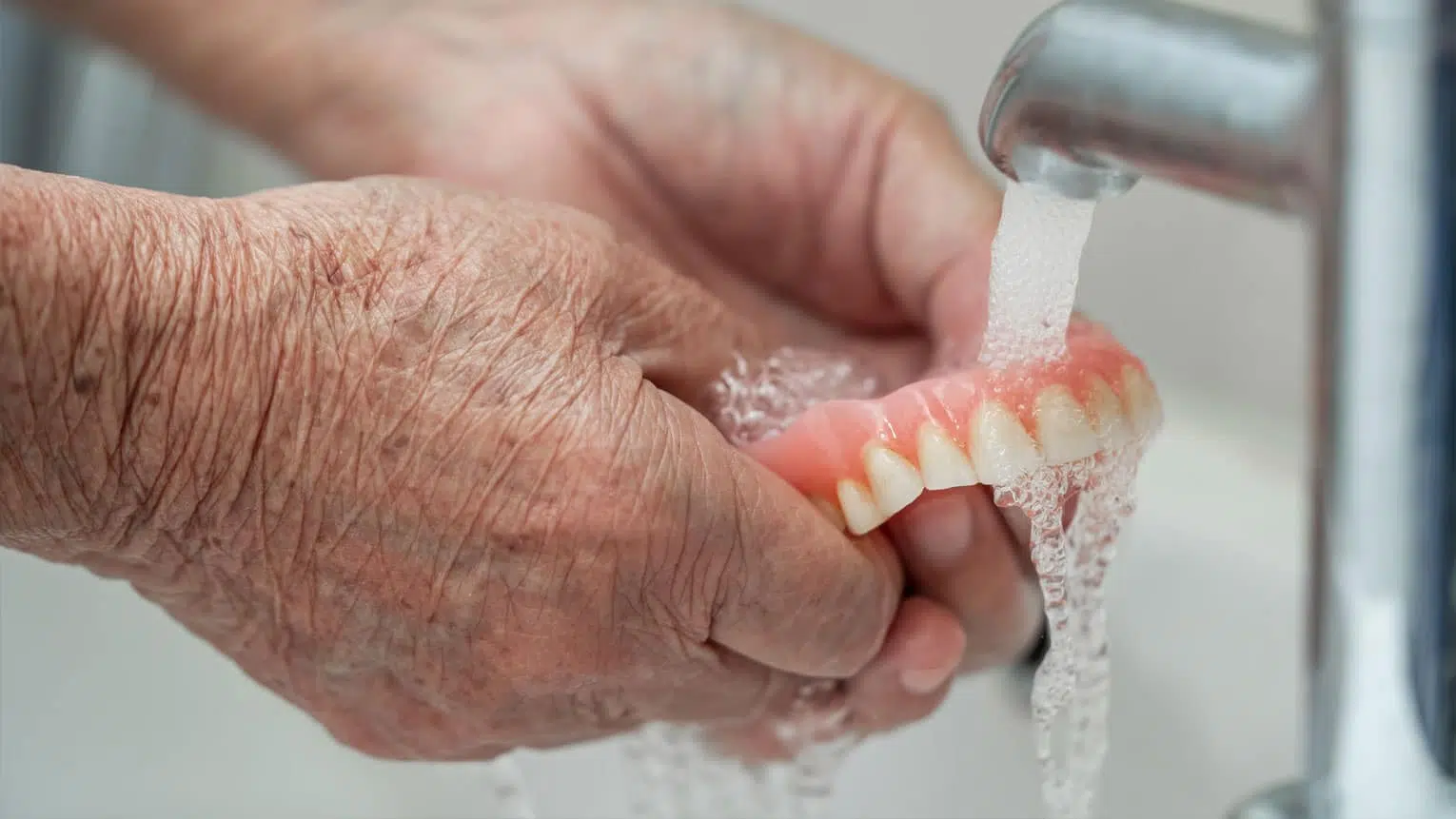
What to Expect with Dentures and Partial Dentures
Dentures replace missing teeth but require an adjustment period and ongoing care. Learn about fit, cleaning, and follow-up visits.
