

What to Expect with Dentures and Partial Dentures
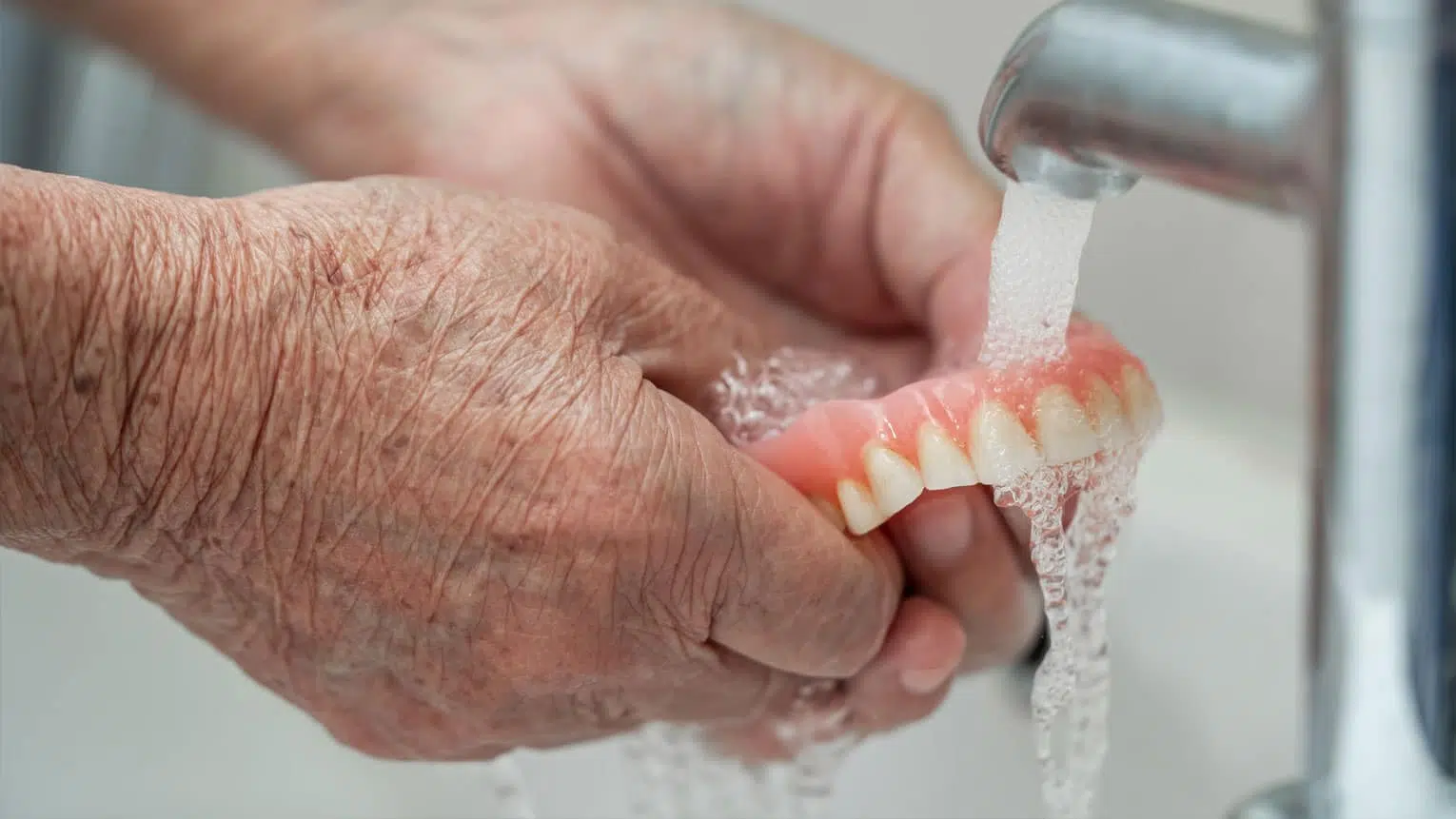




Dentures are removable appliances that replace missing teeth. A complete denture replaces all teeth in an arch, while a partial denture fills selected spaces and works with remaining teeth. The design depends on oral health, missing-tooth pattern, function, and personal priorities.
Adjustment takes practice
New dentures can feel bulky and may affect speech or chewing temporarily. Start with softer foods cut into small pieces and chew on both sides. Return for professional adjustments if a sore spot develops. Do not grind or bend the appliance yourself.
Clean the mouth and appliance daily
Remove and rinse the denture after eating when practical. Clean it with a denture brush and product recommended for its material. Brush the gums, tongue, palate, and remaining teeth. Hot water may warp some appliances, and ordinary toothpaste can be too abrasive.
Fit changes over time
Gums and supporting bone can change after tooth loss. A denture that once fit well may loosen. Persistent sores, cracks, looseness, or difficulty chewing should be evaluated. Adhesive should not be used to postpone care for an ill-fitting appliance.
Regular visits remain important even for someone with no natural teeth. The dentist examines oral tissues and checks the appliance. Crown Point Smiles offers dentures and partial dentures and can also discuss implant-supported options when appropriate.
Planning for comfort, function, and maintenance
The best replacement or treatment plan depends on the condition of the teeth, gums, bone, bite, medical history, and personal priorities. Cost and treatment time matter, but so do cleaning access, repairability, and the expected workload on nearby teeth.
Ask what will be temporary during healing, what daily cleaning will involve, and which changes should prompt a call. A clear maintenance plan is especially important for implants, dentures, bridges, and teeth next to an extraction site.
No option is maintenance-free. Regular examinations allow the team to check fit, bite, tissue health, supporting teeth, and bone changes before a small concern becomes harder to manage.
Questions worth asking
- What findings are most important in my case?
- What are the reasonable alternatives, including monitoring when appropriate?
- What should I expect during recovery or follow-up?
- Which symptoms should prompt me to call sooner?
What to bring to the appointment
Bring a current medication list, relevant health history, insurance information, and any records or images you have been asked to provide. Write down when symptoms started and what makes them better or worse. If you have priorities about timing, comfort, appearance, or budget, sharing them early helps the dental team explain options in a useful order.
Before agreeing to treatment, make sure you understand the diagnosis, the proposed goal, likely benefits and limitations, alternatives, and follow-up. If something remains unclear, ask for it to be explained in plain language. An informed plan should feel specific to your mouth and circumstances.
Putting the guidance into practice
Compare options over their full life cycle: preparation, healing, temporary solutions, final fit, home care, professional maintenance, and possible repair or replacement. A lower initial burden is not always the same as the best long-term fit for a patient’s goals.
A written sequence can make complex treatment easier to understand. Ask which steps are essential, which are optional, what could alter the timeline, and how the office will monitor the tissues and bite after treatment.
Before you decide
Make sure you understand the likely benefit, important limitations, expected timeline, and follow-up. Written instructions are useful when there are several steps. If symptoms or circumstances change, contact the dental office so the plan can be reassessed rather than assuming the original advice still applies.
Adjustments are part of the process
New dentures may require follow-up as the mouth adapts and pressure areas become apparent. Do not try to reshape or repair the appliance at home; a small professional adjustment can address fit without causing permanent damage.
Ask how to clean both the appliance and the tissues underneath it, whether it should be removed overnight, and when relining or replacement may be appropriate. Report persistent sores, looseness, clicking, or difficulty chewing rather than simply accepting them as unavoidable.
Sources
Meet the Author
Dr. Mustafa Saad
Dr. Saad provides general dentistry with interests in oral surgery and dental implants, taking a calm approach and explaining treatment clearly.
Meet Dr. SaadRelated Posts
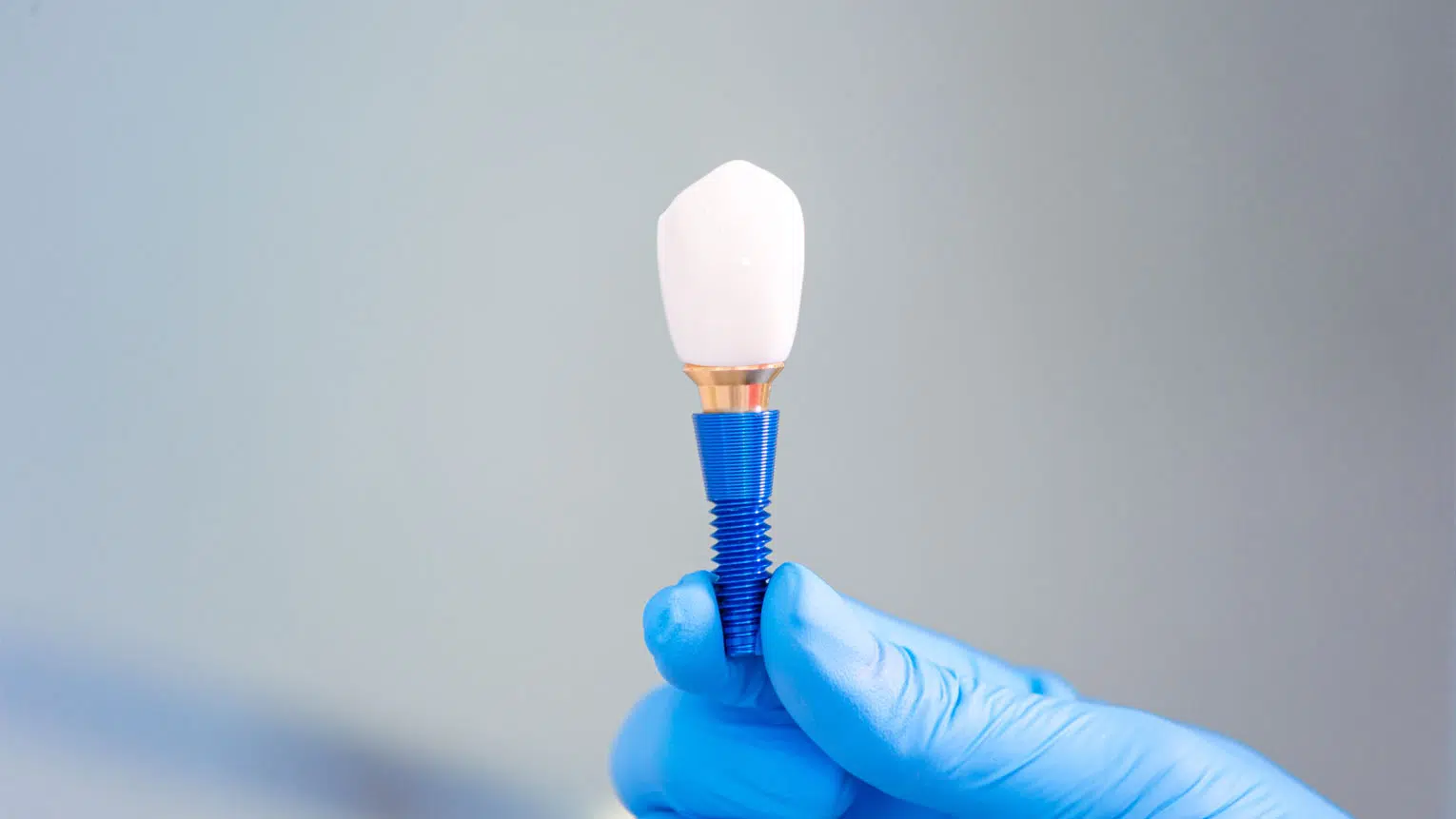
How to Care for Dental Implants
Dental implants still need daily care and professional monitoring. Learn how to protect the implant, gums, and restoration.
Before and After a Tooth Extraction
Sometimes a tooth cannot be predictably repaired. Learn why extraction may be considered and how preparation and recovery vary.
