

How to Care for Dental Implants
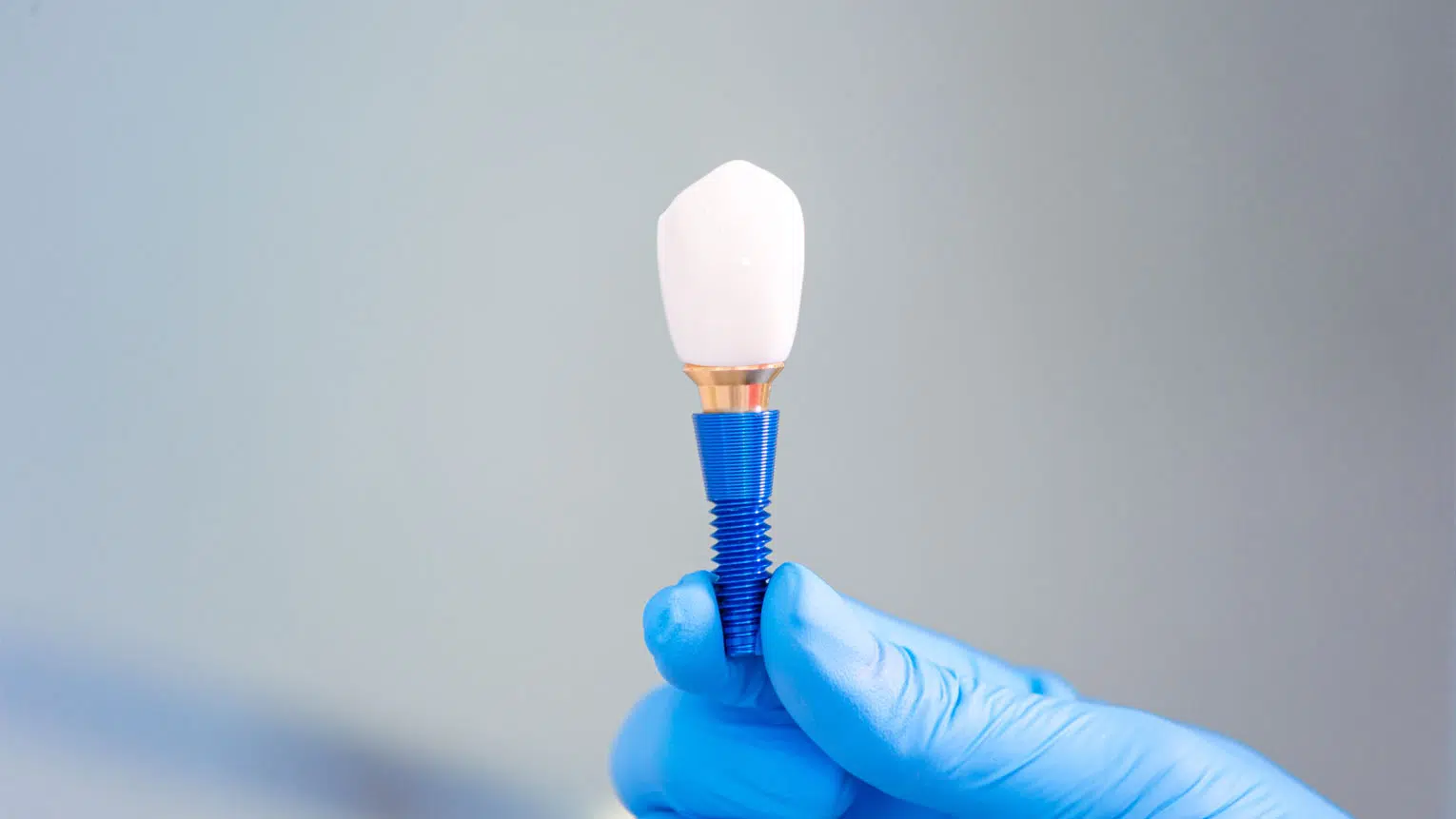




A dental implant replaces a missing tooth root and supports a crown, bridge, or denture. Although the implant itself cannot develop a cavity, the tissues around it still need daily care. Plaque can collect around an implant restoration, and the neighboring natural teeth remain vulnerable to decay and gum disease.
Good implant care is not complicated. It combines careful home cleaning, habits that reduce unnecessary stress, and regular professional monitoring.
Clean the implant every day
Brush twice a day with a soft-bristled toothbrush and fluoride toothpaste, paying attention to where the restoration meets the gum. Clean between the implant and neighboring teeth daily. Depending on the restoration and spacing, floss, an interdental brush, or another device recommended by your dental team may work best.
Implant-supported bridges and dentures may have areas that ordinary floss cannot reach. Ask for a demonstration instead of guessing. The goal is to remove plaque without cutting or traumatizing the gum.
Protect the surrounding gums
Healthy gum and bone help support an implant. Bleeding, swelling, tenderness, a bad taste, or persistent bad breath can signal inflammation and should be evaluated. The National Institute of Dental and Craniofacial Research notes that plaque and hardened tartar contribute to gum disease around natural teeth. Similar daily plaque control is important around implant restorations.
Tobacco use is an important risk factor for gum disease and can interfere with healing. If you use tobacco, tell your dentist and physician so they can help you find appropriate cessation support.
Avoid unnecessary force
Implant restorations are designed for normal function, but they are not indestructible. Do not chew ice, open packages with your teeth, or bite hard objects. If you clench or grind, mention morning jaw soreness, worn teeth, or a damaged nightguard. A custom nightguard may be considered when it is appropriate for your bite and restoration.
Keep professional checkups
At follow-up visits, the dental team can examine the restoration, surrounding gum, bite, and neighboring teeth. Dental images may be recommended when they provide information that cannot be seen during the clinical exam. The timing of visits and images depends on your health, implant history, and individual risk.
Do not wait for pain. Early inflammation around an implant may cause little discomfort. Regular exams and cleanings make it easier to identify changes before they become more complex.
Call if something changes
Contact the office if the crown, bridge, or denture feels loose; the bite suddenly feels different; the gum bleeds repeatedly; or you notice swelling, drainage, or pain. A loose restoration does not always mean the implant itself has failed, but continuing to chew on it can make the problem worse.
If you are considering tooth replacement, review the practice’s dental implant services. Candidacy and treatment steps vary, so an examination and review of your health history come first.
A simple long-term routine
- Brush morning and night.
- Clean around and under the restoration every day.
- Avoid tobacco and using teeth as tools.
- Wear a recommended nightguard consistently.
- Keep recall visits and report changes early.
Dental implants can be a useful tooth-replacement option, but their longevity depends in part on the health of the surrounding tissues and the condition of the restoration. Crown Point Smiles can tailor cleaning instructions to the implant design you have.
Planning for comfort, function, and maintenance
The best replacement or treatment plan depends on the condition of the teeth, gums, bone, bite, medical history, and personal priorities. Cost and treatment time matter, but so do cleaning access, repairability, and the expected workload on nearby teeth.
Ask what will be temporary during healing, what daily cleaning will involve, and which changes should prompt a call. A clear maintenance plan is especially important for implants, dentures, bridges, and teeth next to an extraction site.
No option is maintenance-free. Regular examinations allow the team to check fit, bite, tissue health, supporting teeth, and bone changes before a small concern becomes harder to manage.
Questions worth asking
- What findings are most important in my case?
- What are the reasonable alternatives, including monitoring when appropriate?
- What should I expect during recovery or follow-up?
- Which symptoms should prompt me to call sooner?
Sources
- American Dental Association: Dental Implants
- National Institute of Dental and Craniofacial Research: Gum Disease
Meet the Author
Dr. Mustafa Saad
Dr. Saad provides general dentistry with interests in oral surgery and dental implants, taking a calm approach and explaining treatment clearly.
Meet Dr. SaadRelated Posts
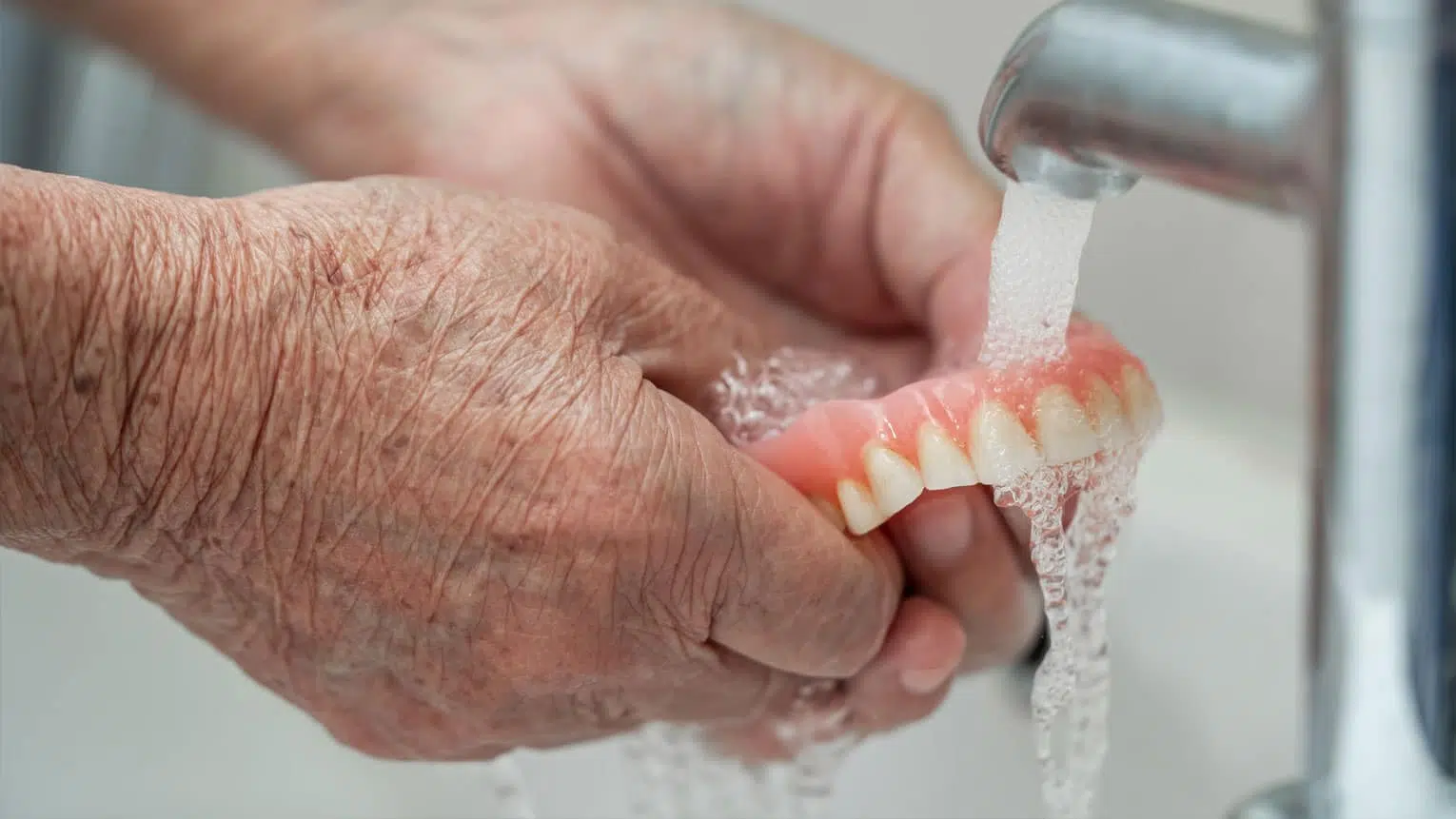
What to Expect with Dentures and Partial Dentures
Dentures replace missing teeth but require an adjustment period and ongoing care. Learn about fit, cleaning, and follow-up visits.

Before and After a Tooth Extraction
Sometimes a tooth cannot be predictably repaired. Learn why extraction may be considered and how preparation and recovery vary.
